Concerns over Argentina’s conduct

Concerns over Argentina’s conduct
During the recent World Cup, many Black Americans expressed a preference for Argentina to lose, with some viewing the final against Spain as a contest of values rather than just a sporting event. This sentiment arose from various incidents that overshadowed Argentina‘s on-field achievements.
Allegations of racism against Argentina‘s fanbase were prominent. Videos circulated showing fans in team gear directing racial slurs at Black people. Additionally, members of the Argentina national team were observed singing a racist chant targeting France‘s Black players. An American streamer, IShowSpeed, also reported being verbally assaulted by fans wearing Argentina team attire.
Further contributing to the sentiment was the discovery of a hamburger business in Llavallol, Argentina. The political stances of Argentina‘s president, Javier Milei, who has aligned with figures like Donald Trump and expressed support for Israel amidst conflict, also influenced public opinion.
Messi’s silence and player advocacy
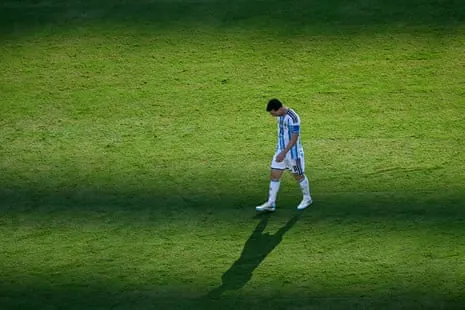
The silence of star player Lionel Messi on these issues was noted by many. Despite his celebrated on-field brilliance, Messi did not publicly condemn the racist incidents involving sections of Argentina‘s fanbase, nor did he address the racist chant or the videos of supporters racially abusing Black people online.
This contrasts with other athletes who have used their platforms for social commentary. Figures like Muhammad Ali, Bill Russell, and Colin Kaepernick are remembered not just for their athletic prowess but also for their willingness to take stands on important issues. The perspective is that while athletic achievements are significant, character and conviction off the field can leave a more lasting legacy.
In contrast, players from Spain‘s team, such as Lamine Yamal and Nico Williams, have shared personal stories highlighting diversity and resilience. Yamal has spoken about his family’s sacrifices and his desire to provide for his mother and younger brother. Williams‘ mother, María, journeyed from Ghana to Spain while pregnant, and her son later dedicated his World Cup winner’s medal to her. Yamal has also expressed solidarity with Palestine, demonstrating a willingness to engage with issues beyond football.
Reactions to criticism and sportsmanship
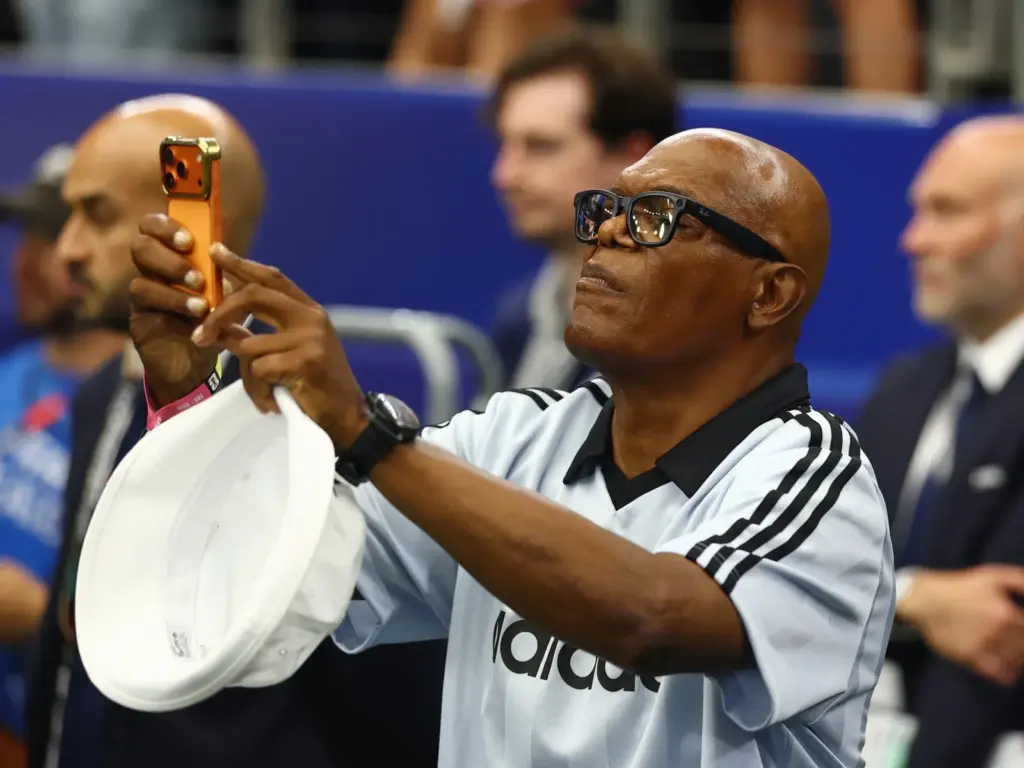
Following their 1-0 loss to Spain, Argentina faced criticism for perceived poor sportsmanship and tactics. This included allegations of fouls and brawls on the pitch, and the team turning their backs when Spain received the World Cup trophy. Some critics, including actor Samuel L Jackson, urged Black people not to support Argentina.
However, some Argentinians view the criticism as a misunderstanding of their passionate approach to football. Leo Simone, a lawyer from Buenos Aires, suggested that what is perceived as arrogance is simply pride. Others, like construction worker Maximiliano Heredia, stated that the team is accustomed to criticism and always gives their best. Journalist Pedro Rosemblat noted that some Argentinians embrace the labels of being “cocky, cheaters, dirty” as a badge of honour.
Sports journalist Ezequiel Fernandez Moores acknowledged that some criticism was justified, noting that local football codes of provocation and boasting do not always translate well to a global audience. He conceded that the team turning their backs on Spain during the trophy presentation was “not right.” Sociologist Ivan Schuliaquer from the National University of San Martin cautioned against generalising football-related racism to all of Argentinian society and history, while still acknowledging its existence.
The World Cup final highlighted that for many, sports extend beyond the game itself, encompassing values and social responsibility. The silence of some athletes and the outspokenness of others became a significant part of the tournament’s narrative.
Read Also
Source: theguardian.com

