England’s World Cup dream ends in semi-final defeat to Argentina


Late Goals End England’s Campaign
England experienced a heartbreaking exit from the World Cup semi-finals, conceding two late goals to Argentina. The match saw England take a 1-0 lead, but ultimately they could not hold on, with Argentina securing a 2-1 victory. This defeat means England will not feature in their first men’s World Cup final since 1966.
The crucial moments unfolded in the final minutes of the game. Enzo Fernandez scored an equaliser in the 85th minute, followed by Lautaro Martinez’s winning goal in the 92nd minute. Both goals for Argentina were assisted by Lionel Messi, crushing England’s hopes of advancing.
England had initially taken the lead through Anthony Gordon’s goal in the 55th minute. Following this, the team adopted a more defensive posture, a decision that has since drawn scrutiny. This tactical shift by manager Thomas Tuchel has been a significant point of discussion regarding England’s failure to reach the final.
Tuchel’s Tactics Under Scrutiny
The tactical choices made by England manager Thomas Tuchel have been heavily debated in the aftermath of the semi-final loss. Critics suggest that the decision to become more defensive after taking the lead allowed Argentina to gain momentum and ultimately secure their victory. England reportedly had only 12% possession from the moment they went ahead until conceding the second goal.
Former England captain Wayne Rooney commented on the situation, stating that the team “crumbled” and attributed this to the manager’s decisions, describing the approach as “too passive.” Similarly, Alan Shearer noted that Tuchel “played his cards very, very early and it has backfired.”
The substitutions made by Tuchel also drew criticism. After England went 1-0 up, he brought on defenders Ezri Konsa for Anthony Gordon in the 72nd minute, shifting to a back five. Further defensive reinforcements, Dan Burn and Nico O’Reilly, were introduced later. Offensive players like Marcus Rashford and Ivan Toney were only sent on in added time, which proved too late to change the outcome.
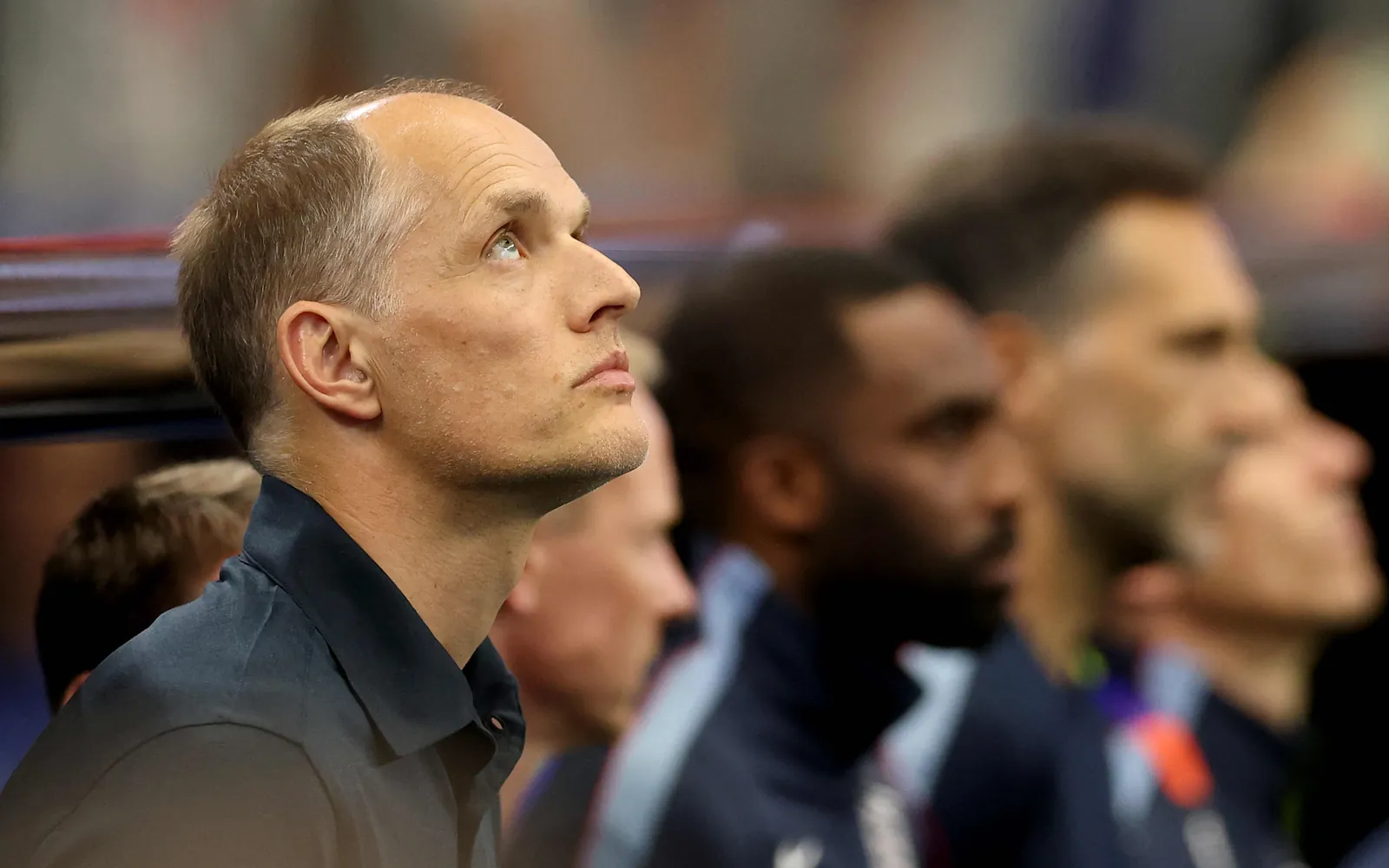
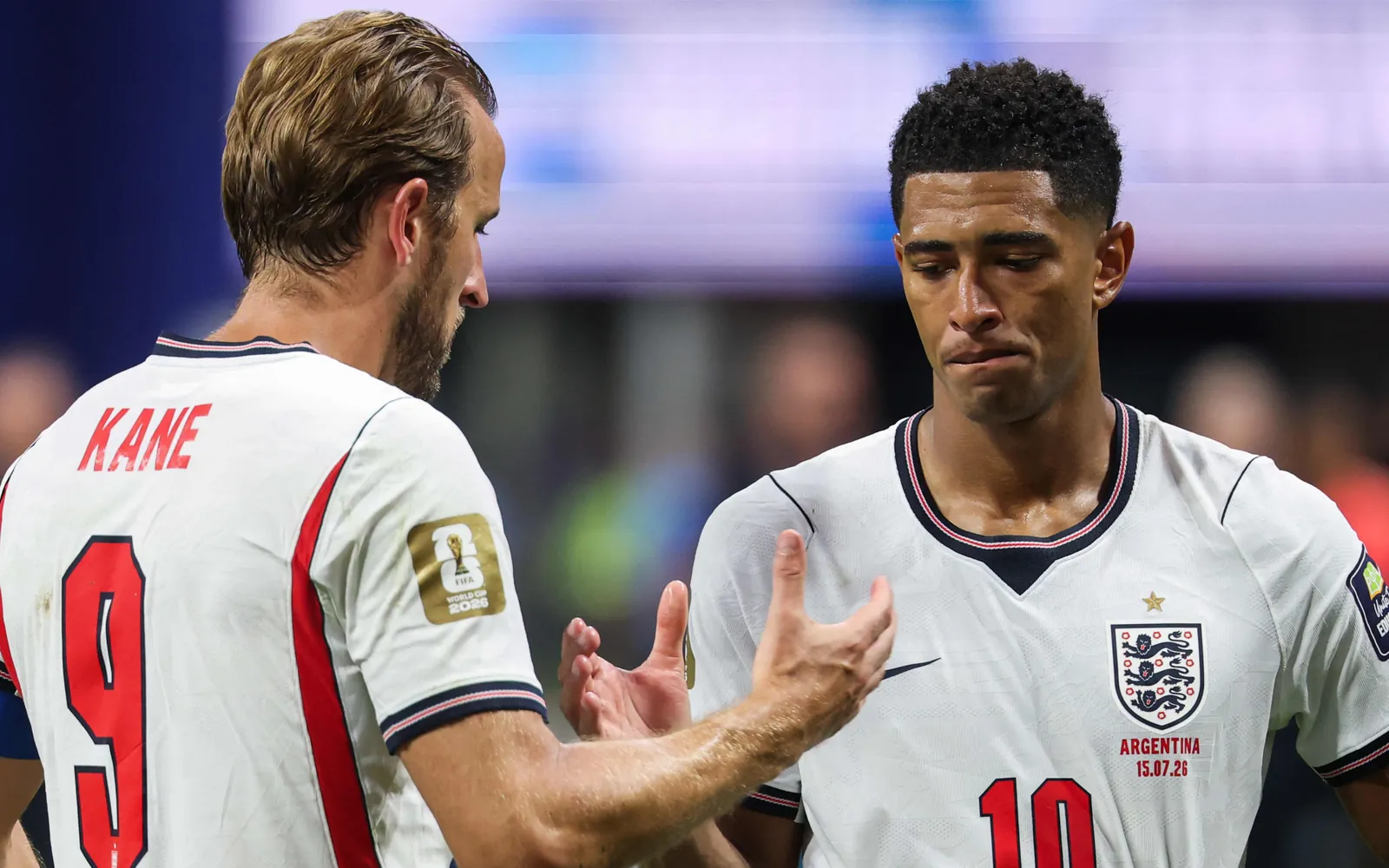
Chris Sutton, a Premier League winner, labelled the tactical approach a “coaching catastrophe,” arguing that it is not possible to defend for 30 minutes against a team of Argentina’s quality. England captain Harry Kane also acknowledged that the team seemed to “try and hold on” after taking the lead, which he admitted was “not enough at this level.”
In his post-match comments, Tuchel defended his decisions, stating that he had “no regrets” and that the team gave everything. He acknowledged that criticism is inherent when a team loses but maintained that the team played one of their better matches. Despite reaching the semi-finals, Tuchel’s tactics are expected to face continued scrutiny.
A History of Heartbreak
The defeat to Argentina adds another chapter to England’s history of near misses and heartbreak in major tournaments since their 1966 World Cup triumph. The 1966 victory remains a singular achievement, predating significant global events and technological advancements.
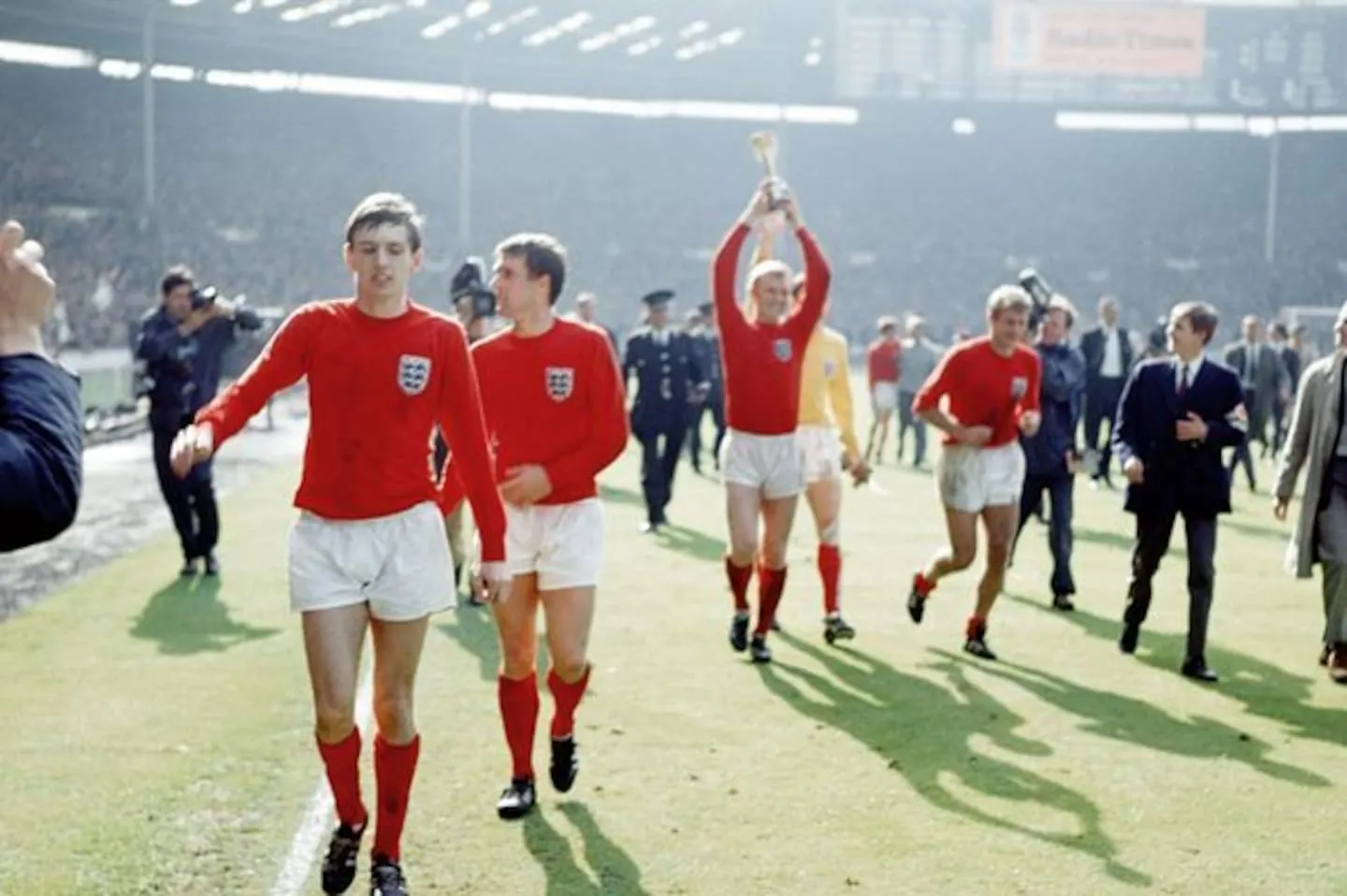
Over the years, England has faced numerous disappointments, including the “Hand of God” exit to Argentina in 1986 and a penalty shootout loss to West Germany in 1990. There were also periods of failing to qualify for the World Cup in the 1970s and group-stage eliminations in later tournaments.
Despite a strong campaign in North America, which saw them perform more impressively than in 2018 when they lost to Croatia in the semi-finals, England could not secure their place in the final. The team, featuring talents like Harry Kane and Jude Bellingham, was seen as having a strong chance to end the “60 years of hurt.”
Since England’s 1966 victory, eight different nations have reached the World Cup final multiple times, including Germany/West Germany (six times) and Argentina (six times). This highlights the difficulty of reaching the pinnacle of international football consistently. Argentina will now advance to face Spain in the final at New York New Jersey Stadium.
Post-Match Incidents
Following their victory, Argentina players displayed a banner that read “Las Malvinas Son Argentinas” (The Falklands are Argentine). This act occurred after their 2-1 semi-final win against England.
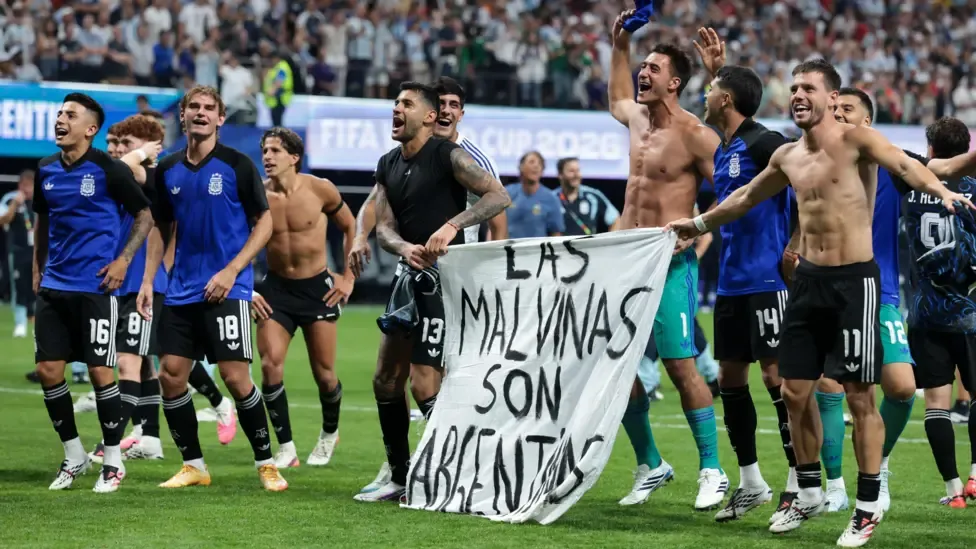
The banner, held up by players including Lisandro Martinez and Giovani Lo Celso, is considered political in nature. FIFA’s Stadium Code of Conduct prohibits banners or other paraphernalia that are political, offensive, or discriminatory within stadiums. The question of sovereignty over the Falkland Islands (known as the Malvinas in Argentina) has been a long-standing point of contention between the two nations, stemming from a conflict in 1982.
Read Also
Source: nzherald.co.nz

